
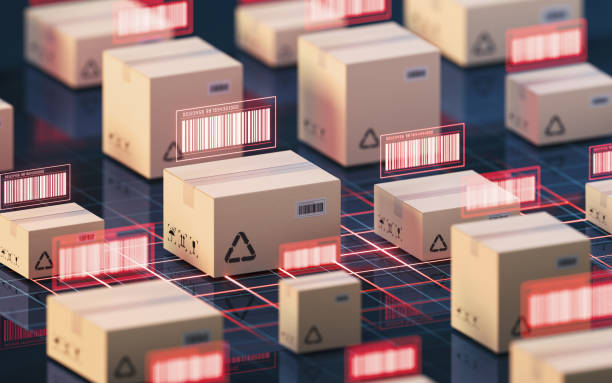
O burro de carga silencioso: Embedded Barcode Engines in Modern Workflows
Embedded barcode engines now support nearly every modern workflow that depends on fast and accurate data capture. Although these compact modules sit deep inside PDA devices, quiosques, medical terminals, and industrial handhelds, they influence the speed and reliability of entire operational systems. Because digital transformation accelerates across industries, the demand for consistent and high-speed scanning continues to grow. Portanto, manufacturers rely on embedded barcode engines to ensure stable performance in high-volume tasks. This trend also reshapes how OEM developers design intelligent terminals, since they must balance compact structures with strong scanning capabilities.
The Shift to Automated Data Capture
As workflows shift from traditional manual entry to automated capture, embedded barcode engines become more important. PDA devices now handle tasks that once required large computers, and self-service kiosks process transactions without human assistance. No entanto, both categories require one common feature: they must read barcodes instantly. That expectation pushes engineers to raise decoding accuracy and improve performance under challenging conditions. Because real environments vary widely, scanning modules must maintain stability despite glare, shaking hands, damaged labels, or rapid movement.
Core Design Challenge: Miniaturization Meets Performance
At the core of this demand, OEM designers attempt to deliver devices that work everywhere. Portanto, they integrate embedded barcode engines that support both one-dimensional and two-dimensional codes. These engines decode complex symbols while keeping power consumption low. Embora os módulos permaneçam pequenos, eles gerenciam tecnologia de imagem avançada e algoritmos de decodificação inteligentes. Este equilíbrio parece simples visto de fora, no entanto, requer inovação constante. À medida que as expectativas dos usuários aumentam, os mecanismos de varredura devem fornecer velocidades de resposta mais rápidas e, ao mesmo tempo, manter a integração fácil.
Demandas Divergentes: PDA vs.. Quiosques
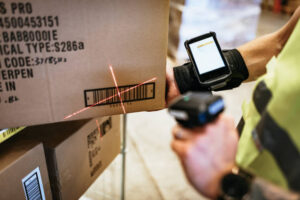
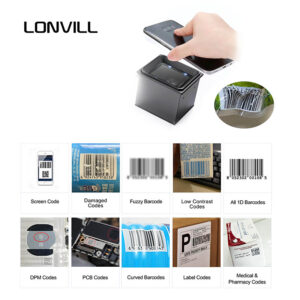
A evolução dos dispositivos PDA para sistemas de quiosque destaca esta mudança. Os computadores PDA geralmente operam em ambientes dinâmicos onde os trabalhadores se movem rapidamente. Portanto, mecanismos de código de barras incorporados precisam de forte tolerância ao movimento. Eles devem ler os códigos com precisão, mesmo quando os dispositivos mudam constantemente. No entanto, Ambientes de quiosque apresentam outro conjunto de desafios. Os quiosques dependem de posições fixas e devem ler códigos em diferentes comportamentos do usuário. Alguns usuários colocam seus telefones muito próximos. Outros seguram telas em ângulos estranhos. Many bring damaged tickets. Consequentemente, kiosk scan engines must offer a wide field of view, strong illumination control, and advanced anti-reflection logic.
Pushing the Limits: Non-Ideal Scanning Scenarios
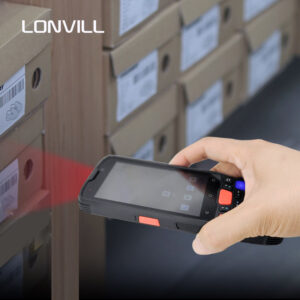
Because industries expand their automation requirements, embedded barcode engines must support more scenarios. Warehouse operators want fast scans in dim aisles. Retail stores want instant decoding of phone screens with low brightness. Hospitals want error-free results for patient labels. Transport hubs want reliable scanning of worn boarding passes. These conditions rarely align with ideal laboratory standards. Portanto, manufacturers refine engines so they handle contrast loss, scratches, distorção, or moving targets.
The Three Technical Pillars of High Performance
To maintain high performance, embedded barcode engines rely on three technical pillars. First, optical design determines how the module captures light. Small lenses gather data across short ranges, while advanced sensors process contrast changes quickly. Second, imaging algorithms adjust exposure and sharpen patterns under difficult lighting. Third, decoding logic interprets symbols through intelligent analysis. These steps operate at high speed, allowing engines to read dense codes in milliseconds.
Integration Challenges in Compact Devices
As devices become thinner and lighter, integration grows more complex. PDA designers want compact modules that fit small housings without thermal problems. Meanwhile, kiosk manufacturers want robust modules that support continuous operation. Portanto, embedded barcode engines must offer flexible installation structures. They use compact footprints while maintaining heat control and decoding stability. Although these modules run continuously, they must stay cool to prevent image noise or sensor drift.
Conquering the Mobile Screen Scanning Challenge
Because user behavior changes rapidly, engineers also optimize engines for phone screen scanning. This scenario introduces glare, reflection, refresh-rate interference, and variable brightness. Portanto, embedded barcode engines include algorithms that stabilize detection despite these issues. They adjust exposure dynamically, reduce flicker artifacts, and analyze patterns even when screens move. These improvements allow kiosks to serve diverse users with no manual guidance.
 Building for Reliability and Long-Term Durability
As industries adopt automation, demand shifts toward long-term reliability. Portanto, manufacturers want engines with durable components and tested decoding algorithms. Since many devices operate in harsh environments, engines must withstand dust, vibração, and continuous illumination cycles. Strong construction reduces failure risks and protects the internal sensor. Although the modules operate quietly, they deliver immense value through consistent uptime.
Seamless Connectivity and System Integration
Além disso, embedded barcode engines now support multi-platform communication. They connect easily with Linux, Android, and Windows systems. Developers integrate scan engines through standard interfaces, allowing fast deployment across new hardware. This flexibility allows companies to scale product lines without redesigning entire communication structures. Because systems rely on unified data flow, embedded engines help maintain smooth information capture.
Evolving to Meet New Application Demands
Although barcode technologies appear mature, application needs to evolve constantly. Por exemplo, logistics companies now expect instant scanning of tiny labels on fast-moving parcels. Medical facilities want engines that read micro-codes on small vials. Retail channels expect modules to decode loyalty apps with low brightness. Portanto, embedded barcode engines support advanced features such as high-density reading and improved dynamic range. These refinements ensure that engines perform well even when codes shrink or contrast weakens.
Streamlining OEM Production and Assembly
As markets expand, OEM developers evaluate engines based on integration difficulty. Although performance matters, installation speed influences production cost. Portanto, many manufacturers choose engines designed for fast assembly. They value modules with stable mounting points, simple connectors, and flexible cable arrangements. These features reduce development time and help teams bring products to market quickly.
The Strategic Role in Digital Transformation
During these transitions, the role of embedded barcode engines grows more strategic. PDA devices evolve into intelligent field terminals, and kiosks expand into multi-function service platforms. Each upgrade requires reliable data capture. Without stable barcode decoding, workflows slow, errors rise, and user frustration increases. Portanto, embedded barcode engines silently support digital infrastructure across industries.
The Critical Metric: Decoding Speed and Logic
Because organizations demand high accuracy, developers evaluate scanning speed as a key metric. Although speed depends on hardware, software plays a major role. Engines with advanced decoding logic process damaged or distorted codes faster. They extract structure from blur and sharpen edges through algorithmic optimization. These features allow engines to handle high-volume tasks without delay. As workloads grow, fast processing prevents data congestion and improves operational flow.
Adapting to Color and Complex Labels
Another factor shaping engine development is color variation. Many industries adopt color labels for tracking complex items. These labels challenge older modules that rely on contrast detection. Portanto, embedded barcode engines include sensors with a higher dynamic range. They detect color differences clearly and maintain accuracy under shifting hues. Because labels may fade or smudge, engines must compensate through strong enhancement logic.
Contributing to Operational Efficiency and Sustainability
Além disso, embedded barcode engines apoiar a sustentabilidade ambiental, melhorando a eficiência operacional. Quando os processos de digitalização aceleram, as empresas reduzem o desperdício de papel e melhoram o rastreamento digital. Esta mudança apoia uma logística ecológica, especialmente em indústrias que gerenciam grandes volumes de remessas. Embora os módulos em si permaneçam pequenos, sua contribuição para processos digitais ajuda as organizações a minimizar o uso de recursos.
Conclusão: A infraestrutura oculta da automação moderna
A evolução do PDA para o quiosque demonstra uma tendência clara: mecanismos de código de barras integrados agora atuam como infraestrutura oculta por trás da captura de dados em alta velocidade em todos os fluxos de trabalho. Embora os usuários raramente vejam esses mecanismos, eles confiam em seu desempenho todos os dias. Portanto, a tecnologia continuará avançando à medida que as indústrias exigirem soluções mais inteligentes, mais rápido, e digitalização mais flexível. Resumindo, embedded barcode engines support a growing range of devices and environments. They combine compact design, strong optical performance, and advanced decoding logic. They enable PDA devices to operate smoothly in dynamic conditions, and they empower self-service kiosks to handle broad user behaviors. Because industries demand speed and accuracy, these engines will remain central to modern automation. Their influence grows as digital workflows expand, and their performance shapes the reliability of entire systems.



Deixe uma resposta