
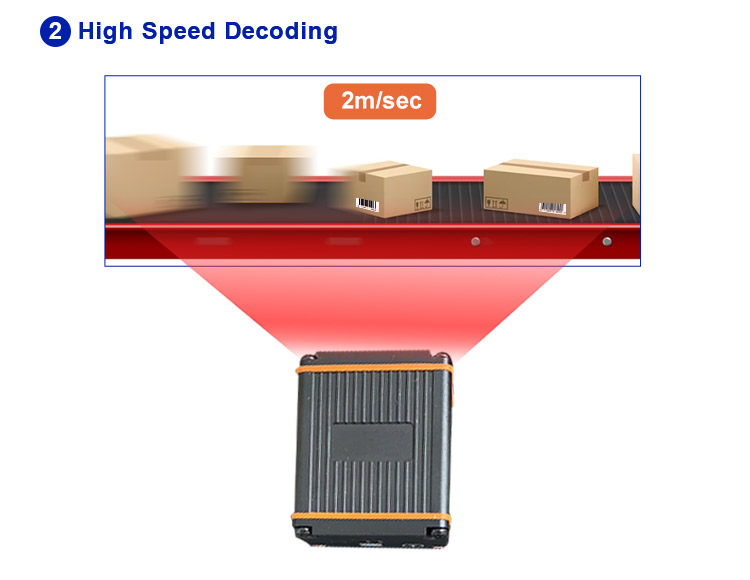
Em armazéns modernos, a integração da tecnologia de leitura de código de barras é crucial para o gerenciamento de estoque e a eficiência geral. Stationary scanners are an essential component in this technological ecosystem. They provide quick, accurate data capture, helping businesses streamline operations. No entanto, the installation of these devices requires careful planning. This article explores the factors you need to consider when installing stationary barcode scanners in a warehouse environment.
1. Space and Layout of the Warehouse
The first critical factor in installing stationary scanners is understanding the layout and space of the warehouse. Whether you’re setting up in a large distribution center or a smaller storage facility, you must evaluate the available space where scanners will be deployed.
Considerations:
-
Scanner Placement: Where will the scanners be most effective? A clear line of sight to the barcode is essential for accurate reading.
-
Traffic Flow: Ensure that the scanners are placed in areas where they won’t be obstructed by heavy warehouse traffic, such as near aisles or at receiving docks.
-
Scanner Reach: The scanning range depends on the scanner model, so assess the physical distance between the barcode and scanner to ensure optimal function.
 2. Type of Scanner Technology
Different types of stationary scanners suit varying needs. Selecting the right technology is fundamental to the success of your warehouse operations.
Types of Scanners to Consider:
-
Laser Scanners: Best for reading barcodes that are printed on materials such as paper or plastic. These scanners work well for environments where barcodes are consistent.
-
Imager-based Scanners: Suitable for reading damaged or poorly printed barcodes. They also support 2D barcode scanning and may provide more flexibility.
-
Omnidirectional Scanners: Ideal for high-volume environments where speed is critical, as they can scan in multiple directions simultaneously.
3. Environmental Factors
Warehouses are dynamic environments that often experience extreme conditions, such as dust, umidade, and temperature fluctuations. These environmental factors must be taken into account to ensure that your stationary scanners perform optimally.
Considerations:
-
Temperature Range: Ensure that the scanners you choose can operate efficiently in the temperature range typical for your warehouse.
-
Durability: Look for scanners with rugged designs that can withstand rough conditions, such as exposure to dust or accidental drops.
-
Water Resistance: If your warehouse deals with moisture or humidity, it’s essential to invest in scanners with waterproof or water-resistant capabilities.
4. Connectivity and Integration
One of the most critical factors when installing stationary scanners is ensuring that they can seamlessly connect with your warehouse management system (WMS) and other devices.
Considerations:
-
Wireless vs. Wired: Decide whether wireless or wired scanners best fit your needs. Wireless scanners allow for greater flexibility and mobility, but wired scanners can offer more reliable connections in environments with heavy interference.
-
Integration with WMS: Ensure that the scanners can communicate effectively with your existing WMS. This integration allows for real-time tracking and data updates, which are essential for maintaining accurate inventory levels.
-
Network Infrastructure: If using wireless scanners, assess the strength and reliability of your Wi-Fi network to avoid disruptions.
 5. Scanner Speed and Accuracy
When it comes to warehouse operations, speed and accuracy are paramount. Stationary scanners should capture data quickly and accurately to avoid delays and errors in the workflow.
Considerations:
-
Taxa de varredura: The scanner’s speed is essential for high-volume operations. Opt for a scanner with a fast scan rate to reduce delays.
-
Precisão: Look for scanners with high accuracy, especially if your warehouse handles a large volume of items with similar or complex barcodes.
-
Error Rate: High-performance scanners can reduce error rates, which directly impacts operational efficiency.
6. Power Requirements and Backup
The reliability of the power supply plays a significant role in the functionality of stationary scanners. If a power failure occurs, it could result in operational downtime.
Considerations:
-
Power Source: Determine the power requirements of the scanners. Do they require external power adapters, or can they run on a battery backup?
-
Uninterruptible Power Supply (UPS): Installing a UPS system ensures that your scanners remain functional during power outages. This is especially critical in warehouses that operate 24/7.
-
Energy Efficiency: Consider energy-efficient scanners that consume less power, especially if you plan to run many units in a large warehouse.
Conclusão
The successful installation of stationary scanners in a warehouse hinges on understanding a variety of factors. From space and layout considerations to scanner technology and environmental conditions, every element plays a vital role in ensuring smooth operations. By carefully evaluating your warehouse’s needs and selecting the right equipment, you can significantly improve the efficiency of your inventory management processes.
As warehouse technology evolves, stationary scanners remain a cornerstone of operational success. By considering these key factors, businesses can ensure they’re making the right investment for the long term.





Deixe uma resposta